
HDPE Bottle Manufacturers Near Me

HDPE Bottle Manufacturers Near Me: 7 Things You Must Know Before Placing Your Next Order (2026 Guide)
HDPE bottle manufacturers near me — if you’ve typed this into Google lately, you’re probably a business owner, procurement manager, or startup founder trying to source reliable, safe, and cost-effective packaging. And honestly, the search can feel overwhelming. There are hundreds of suppliers, varying quality standards, and enough technical jargon to make your head spin.
This guide cuts through all of that. Whether you’re in pharmaceuticals, food and beverage, agrochemicals, or personal care — this is everything you need to know about HDPE bottles, how they compare to PET, their real benefits, and how to find the right manufacturer without making costly mistakes.
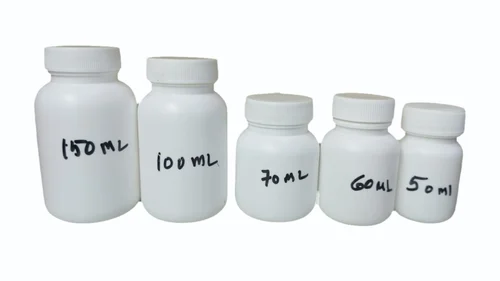
What Exactly Are HDPE Bottles?
HDPE stands for High-Density Polyethylene — a thermoplastic polymer made from petroleum. In simpler terms, it’s one of the most widely used plastics in the world, and for very good reason.
HDPE bottles are rigid, lightweight, and incredibly resistant to chemicals, moisture, and impact. You’ve seen them everywhere — from your morning milk jug to the motor oil container in your garage. They’re the quiet workhorses of the packaging industry.
In India alone, the demand for HDPE bottles has grown significantly over the past decade, driven by the boom in agrochemicals, FMCG, and pharmaceutical packaging sectors.
H2: 7 Key Things to Know When Searching for HDPE Bottle Manufacturers Near Me
H3: 1. Not All HDPE Is the Same — Know Your Grades
When you start talking to suppliers, you’ll quickly realise that HDPE comes in different grades — blow moulding grade, injection moulding grade, and extrusion grade. For bottles specifically, blow moulding grade HDPE is the standard.
Always ask your manufacturer which grade they’re using and whether it complies with:
- BIS (Bureau of Indian Standards) certifications
- FDA-approved raw materials (especially for food and pharma packaging)
- RoHS compliance for export-oriented businesses
A credible manufacturer will have no hesitation sharing this documentation with you.
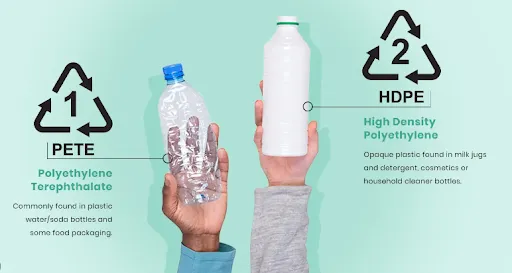
HDPE vs PET Bottles — Which One Is Right for Your Business?
This is the question we hear most often. Both materials are popular, but they serve very different purposes. Here’s a practical breakdown:
| Feature | HDPE Bottles | PET Bottles |
| Clarity | Translucent/Opaque | Crystal clear |
| Chemical Resistance | Excellent | Moderate |
| UV Resistance | Good | Poor (needs coating) |
| Temperature Tolerance | -100°C to 120°C | Up to 60°C |
| Recyclability | Highly recyclable | Recyclable |
| Best For | Chemicals, agrochemicals, dairy, pharma | Beverages, cosmetics, edible oils |
| Cost | Slightly lower | Slightly higher |
The practical takeaway: If your product involves harsh chemicals, needs shelf life protection, or will be stored in varying temperatures — HDPE wins hands down. If aesthetics and transparency matter most (like for a premium juice brand), PET is worth considering.
For a deeper technical comparison, you can refer to Plastics Industry Association’s material guide which provides detailed polymer property sheets used by engineers worldwide.
3. The Real Benefits of HDPE Bottles (Beyond the Basics)
Most articles list the same three points — durable, lightweight, recyclable. But let’s go deeper, because benefits of HDPE bottles go well beyond surface-level talking points:
- Excellent barrier properties: HDPE does not allow moisture vapour to pass through easily, making it ideal for hygroscopic products (those that absorb water from air).
- Non-leaching: High-quality HDPE does not leach chemicals into the stored product — a critical factor for food-grade and pharmaceutical applications.
- Compatibility with a wide range of products: Acids, alkalis, solvents, oils — HDPE handles them all without degradation.
- Cost efficiency at scale: The per-unit cost drops significantly with higher order quantities, making it the packaging material of choice for mid-to-large scale manufacturers.
- Eco-friendly credentials: HDPE (resin code #2) is one of the most accepted plastics in recycling programmes across India and globally. Many manufacturers now offer bottles with post-consumer recycled (PCR) HDPE content to support sustainability goals.
- Tamper-evident designs: Most HDPE bottle manufacturers offer induction sealing compatibility and tamper-evident cap solutions, which is mandatory in pharma packaging.
4. What to Look for in an HDPE Bottle Manufacturer
When you search for HDPE bottle manufacturers near me, don’t just go by proximity. Here’s a smarter checklist:
✅ Production Capacity: Can they handle your MOQ (Minimum Order Quantity) and scale up when needed?
✅ Quality Control Process: Do they have in-house QC labs? Ask about wall thickness uniformity, drop test results, and top load test standards.
✅ Certifications: Look for ISO 9001:2015, GMP certification (for pharma), and FSSAI-approved raw materials (for food).
✅ Customisation Capability: Can they match your brand’s colour, label finish, cap type, and bottle shape? Good manufacturers offer mould modification services.
✅ Lead Time and Reliability: A manufacturer who delivers on time is worth more than one who promises the lowest price and misses deadlines.
✅ After-Sales Support: Will they replace a batch if there’s a defect? Get this in writing.
5. Common Industries That Rely on HDPE Bottles
If you’re still wondering whether HDPE is the right call for your industry, here’s a snapshot of sectors where HDPE bottles are the backbone of packaging:
- Agrochemicals & Pesticides — HDPE’s chemical resistance makes it the only viable option for storing concentrated fertilisers and pesticides safely.
- Pharmaceuticals — Oral liquid medicines, syrups, and disinfectants are routinely packed in HDPE bottles.
- Dairy & Food Products — Milk, buttermilk, and certain edible oils are packaged in food-grade HDPE.
- Industrial Lubricants & Automotive Products — Engine oils, brake fluids, and coolants almost exclusively use HDPE containers.
- Household Chemicals — Detergents, bleach, and floor cleaners depend on HDPE’s chemical inertness.
- Personal Care — Shampoos, lotions, and liquid soaps in more economical packaging tiers.
6. Red Flags to Watch Out for When Choosing a Manufacturer
Experience in this industry teaches you to watch for certain warning signs:
🚩 No certifications available — Any manufacturer worth dealing with will have verifiable documents.
🚩 Unusually low pricing — Below-market rates often mean compromised raw material quality, recycled-content bottles being sold as virgin HDPE, or poor QC.
🚩 No physical facility visit allowed — Always insist on a plant visit before placing large orders. If they resist, walk away.
🚩 No sample policy — Reputed manufacturers offer pre-production samples. If a supplier skips this step, consider it a red flag.
🚩 Inconsistent wall thickness — This is a functional defect that leads to leakage and returns. It signals poor process control.
7. Sustainability and the Future of HDPE Packaging
The packaging industry is at a turning point. With India’s Extended Producer Responsibility (EPR) regulations tightening and global buyers demanding greener supply chains, HDPE manufacturers who invest in sustainability will lead the next decade.
Look for manufacturers who:
- Offer recycled HDPE (rHDPE) content options
- Follow zero-waste production practices
- Have started transitioning to bio-based HDPE sourcing
According to the Central Pollution Control Board of India packaging manufacturers are now required to meet specific EPR targets, and non-compliance carries significant penalties. Partnering with a manufacturer who is already EPR-registered keeps your business compliant and future-ready.
How to Evaluate HDPE Bottle Manufacturers Near Me — A Step-by-Step Approach
Here’s a practical process we recommend to any buyer:
- Define your specs first — Volume (ml/litres), colour, cap type, label type, and product compatibility.
- Shortlist 3–5 local manufacturers — Local sourcing reduces freight cost and lead time considerably.
- Request documentation — Certifications, test reports, and raw material specifications.
- Order samples — Test them with your actual product for at least 30 days.
- Negotiate MOQ and payment terms — Most manufacturers in India are open to discussions on first orders.
- Finalise with a written agreement — Include quality standards, replacement policy, and delivery timelines.
You can also explore our Bottle Packaging Solutions page for a complete range of HDPE containers we manufacture across various sectors.
Why Choosing the Right HDPE Bottle Manufacturer Matters More Than You Think
A leaking bottle costs you more than just the product inside it — it costs you a customer, your brand’s reputation, and potentially a regulatory penalty. In industries like pharma and agrochemicals, packaging failure is not just a business problem, it’s a safety problem.
That’s why finding credible HDPE bottle manufacturers near me isn’t just about convenience — it’s a critical business decision.
Work with manufacturers who treat quality as a non-negotiable standard, not a selling point. The best ones will welcome your scrutiny, invite you to their facility, and stand behind every batch they ship.
Frequently Asked Questions About HDPE Bottles
Q: Are HDPE bottles food-safe? Yes, food-grade HDPE bottles manufactured from FDA/FSSAI-approved resins are completely safe for storing food and beverages.
Q: Can HDPE bottles be used for storing medicines? Absolutely. HDPE is one of the most commonly used materials in pharmaceutical packaging, especially for liquid oral formulations.
Q: What is the typical MOQ for HDPE bottles from Indian manufacturers? MOQ varies by size and customisation, but most manufacturers in India start from 500–1,000 units for standard designs and higher for custom moulds.
Q: How long do HDPE bottles last in storage? Properly stored HDPE bottles (away from UV exposure and extreme heat) typically have a shelf life of 2–5 years.
Also read: Understanding Plastic Packaging Regulations in India